
Developer Track
You’re already building. This track is for developers who want to move beyond basic implementation — into agent architecture, evaluation frameworks, and responsible AI engineering that holds up in production.
Required:
To begin the session on time and start learning right away, please ensure you have completed all the steps listed on the attached document — including setting up GitHub access and any required API keys. Full instructions can be found here.
- Coding experience
- Github account
- API tokens
- Claude Pro or better subscription
Learning Objectives
By the end of this experience, participants will leave with:
- An understanding of how to prepare your development environment for AI
- A working ReAct agent that utilizes external search tools
- Langfuse and Dagster set up to trace and score agent performance end-to-end
- AI agents securely bridged to sensitive business data with ContextForge MCP
- An understanding of how Open Thought helps curate your training dataset
- An introduction to Cognitive AI — a unique architecture that emulates human learning and thinking
- A personal framework for taking responsibility for ethical AI use and skill development in a fast-paced world
- The knowledge to turn AI-generated code into software that you can trust
- A clear view of AI’s future: less training data, local training and running, transparent by design
Presentation slides will be available at the end of each day.
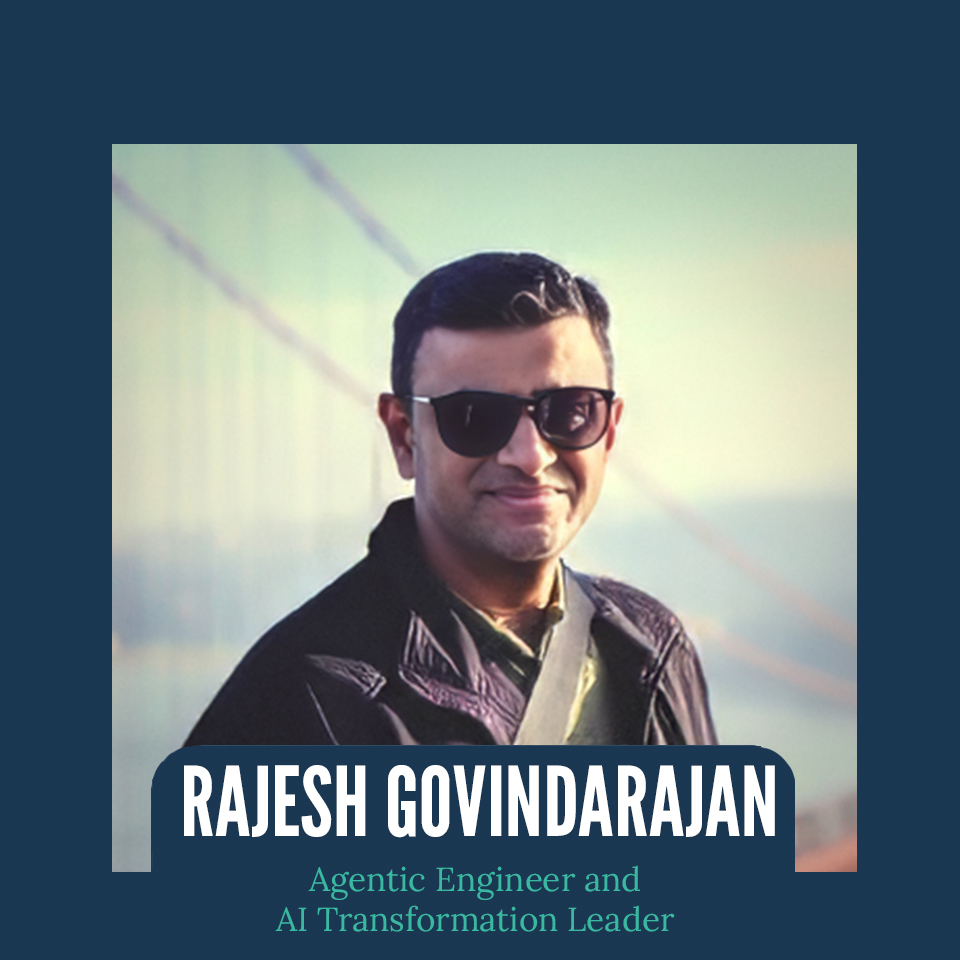
Track Leader: Rajesh Govindarajan
Schedule
Daily: Check in begins at 8:30am. Coffee on the 3rd floor until sessions begin at 9am.
Room location: Downstairs, Room 3210
Monday, June 22
9:00 am – 10:15 am
Title: Architecting Your AI Development Environment
Description: Setting up an AI development environment is no longer just about installing a Python interpreter and a few libraries. In the age of Agentic AI, your environment is a sophisticated ecosystem where code, Large Language Models (LLMs), and autonomous agents intersect.
This session provides a technical deep dive into building a robust, scalable workspace designed for modern AI engineering. We move beyond basic “Hello World” scripts to explore the configuration of Multi-Agent frameworks, secure API orchestration, and local “Home Lab” integration. Whether you are modernizing legacy systems or building the next generation of autonomous workflows, this is your blueprint for a professional-grade AI forge.
What will be the takeaways/learning outcomes:
- Setup Master AI development environment including managing secrets, worktrees and github automations
- Gain understanding in difference between environments that facilitate AI assisted coding, AI co-worker and autonomous AI agent for coding
Presenter: Rajesh G
10:30 am – 11:30 am
Title: Building a Simple Search Agent: Beyond Static Context
Description: A beginner-friendly technical deep dive into creating a search agent. This session focuses on the “Reasoning + Acting” (ReAct) loop, teaching attendees how to give an LLM access to a search engine tool to find real-time information, verify facts, and cite sources. There would be a demo of a basic agent that can take a complex user query, decide when to search, and synthesize an answer from the web.
Takeaways:
- The ReAct Framework: Understanding the logic of how agents “think” and then “act” using external tools.
- Tool Binding: How to connect an LLM to a Search API (e.g., Tavily or Google Search) and define clear tool descriptions.
- Managing Context & Hallucination: Techniques for ensuring the agent uses search results accurately rather than making up information.
- Prompt Engineering for Agents: Crafting system prompts that discourage “looping” and encourage concise, evidence-based responses.
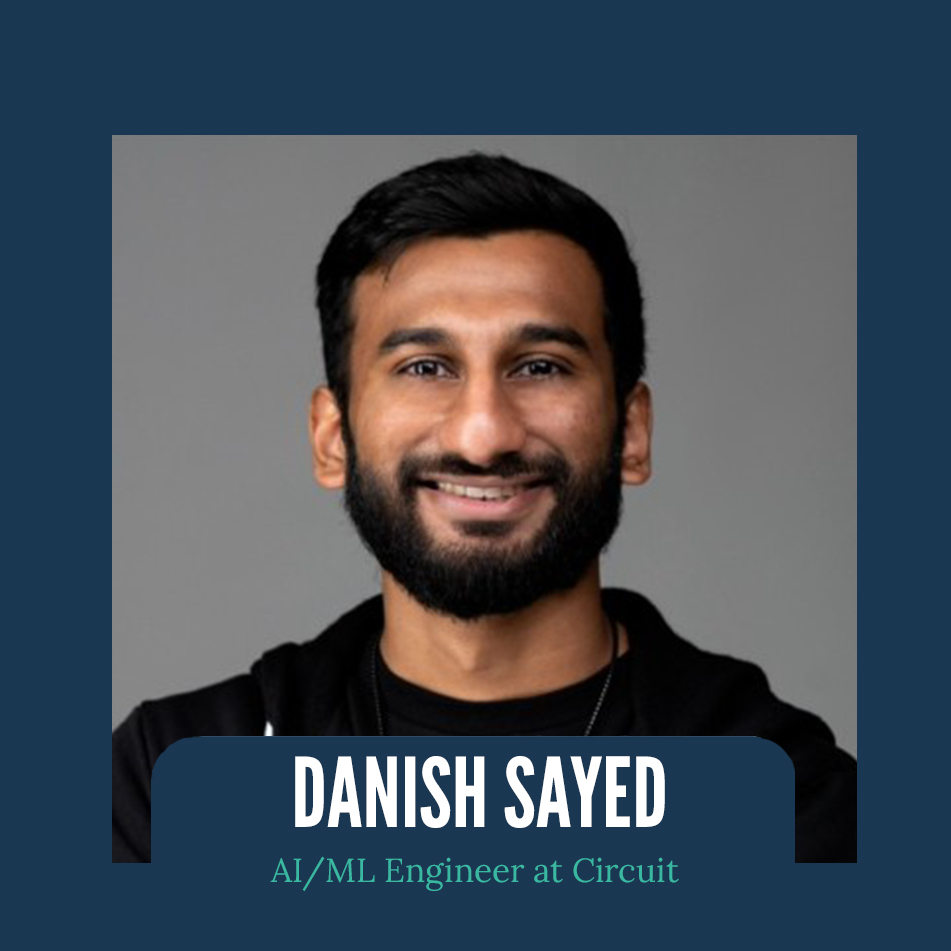
Presenter: Danish Sayed
11:30 pm – 12:30 pm Lunch & Networking
12:30 pm – 1:45 pm
Title: Evaluating Your Agent
Description: A hands-on session on properly setting up an evaluation framework
Takeaways:
- How to identify the metrics that actually matter for your agent (and ignore vanity ones)
- Setting up Langfuse to trace and evaluate agent interactions end to end
- Building chat-level and message-level scoring (e.g., frustration detection, relevance, faithfulness)
- Using a dagster framework to set up evaluation jobs and triggers.
Attendees will need an Anthropic API Key, a github account, and knowledge on how to clone a repo.
Presenter: Danish Sayed
2:00 pm – 3:00 pm
Topic: Building Secure AI Agents: Hands-On with ContextForge MCP (Model Context Protocol) Gateway
Brief Description:
Discover how to securely connect AI assistants to your business tools and data using ContextForge MCP Gateway – an open-source security layer that bridges AI agents and enterprise systems. In this hands-on session, you’ll deploy a functional gateway, integrate real tools, and gain practical insight into the security challenges and risks associated with agentic AI applications
Key Takeaway:
Enables developers to bridge the gap between AI agents and sensitive business data by providing a controlled, secure environment for tool integration, specifically addressing the unique security risks inherent in agentic AI workflows.
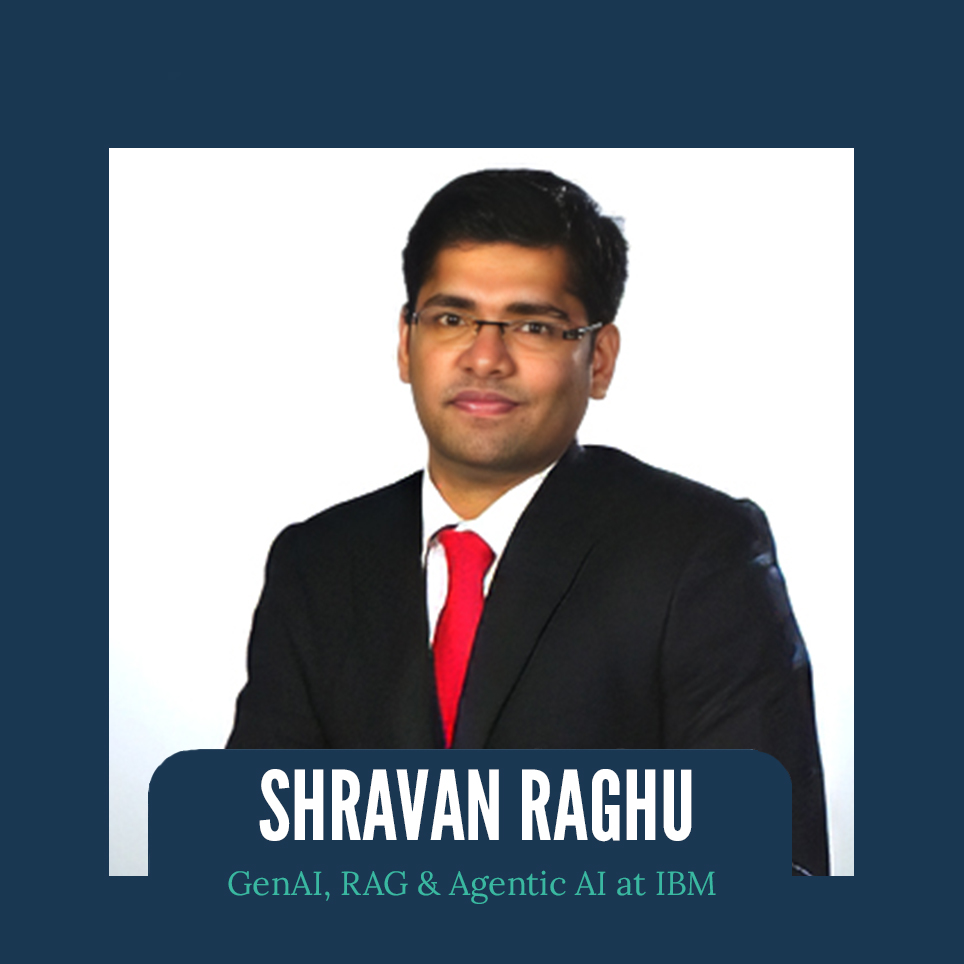
Presenter: Shravan Kumar Raghu
Tuesday, June 23
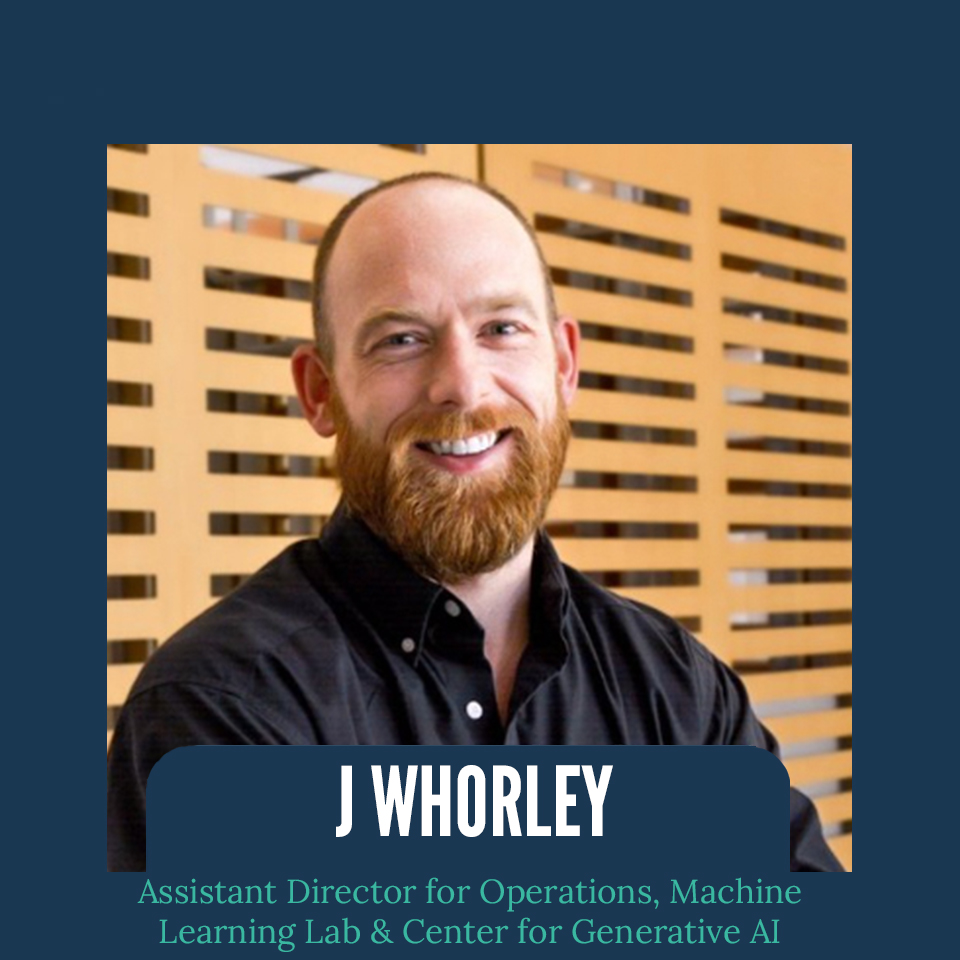
9:00 am – 10:15 am
Title: Inside the OpenThoughts Framework
The core takeaway: Learn how great open-source data makes compact AI just as smart as the giants.
Presenter: J Whorley
10:30 am – 11:30 am
Title: Quantifying Terminal Mastery with Terminal-Bench
The core takeaway: Get insights on a harbor-native framework that provides a consistent, measurable environment for testing how well AI agents can navigate and execute commands within a terminal.
11:30 pm – 12:30 pm Lunch & Networking
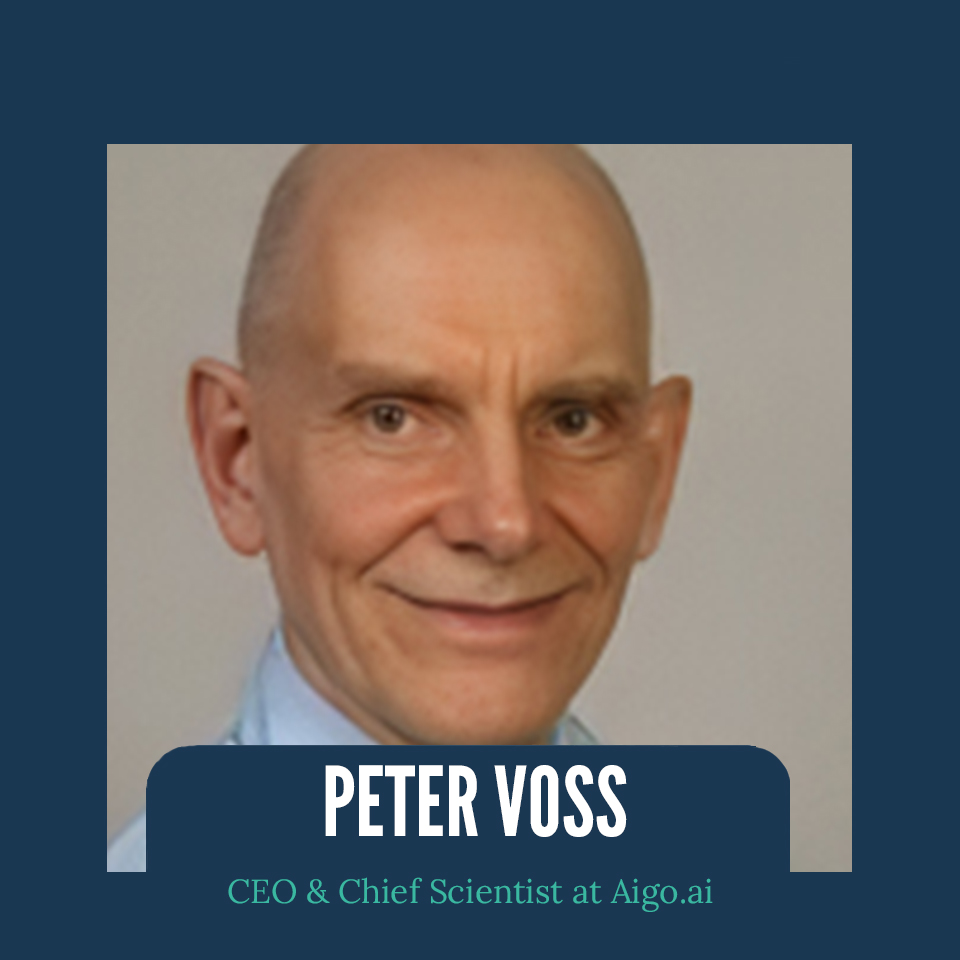
12:30 pm – 1:30 pm
Title: Beyond LLMs: Cognitive AI, the Future of AI
Description: Generative AI is amazing. Brute force scaling plus some nifty tricks have gifted us powerful language, visual, and coding tools.
However, a core requirement of truly useful, human-level intelligence requires the ability to learn and adapt on the fly – with limited data, time, and resources.
Any architecture based on backprop or RL cannot meet this requirement. The models are frozen after batch training.
Cognitive AI, and in particular an integrated neuro-symbolic architecture, inherently allows for highly efficient life-long, real-time learning.
This session will provide comparisons and technical details, as well as demonstrate a working prototype.
What will be the takeaways/learning outcomes:
Introducing Cognitive AI, a fundamentally different architecture that mimics human learning and thinking. Peeking into the future of AI: requiring significantly less training data, capable of local training/running, transparent (“not a black box”), and resistant to hallucinations.
Presenter: Peter Voss
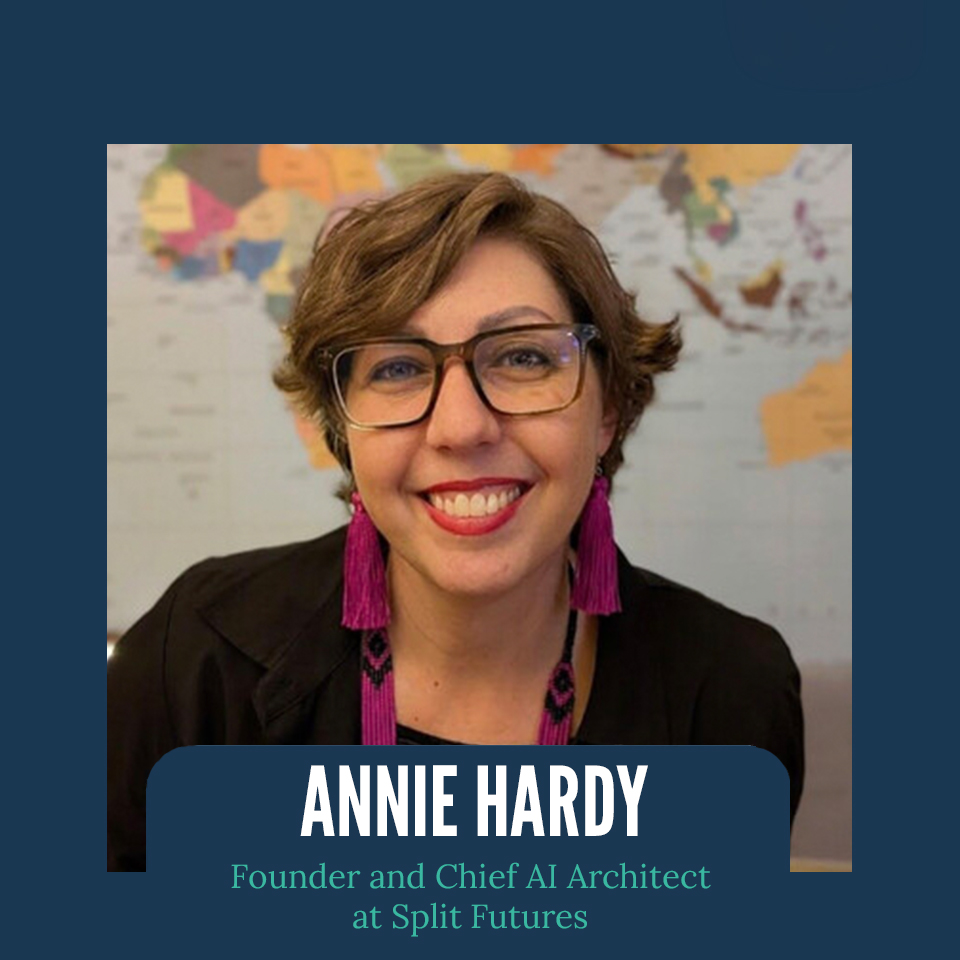
1:45 pm – 3:15 pm
Title: The Code of AI Ethics for Knowledge Workers
Description: Many individuals are worried about the impact of the Artificial Intelligence applications we see becoming so pervasive today. Rising concerns about the impact of Generative Artificial Intelligence on jobs, sustainability, and humanity as a whole are driving more conversations about how we can either slow down the movement or mitigate the risks.
However, the AI revolution isn’t slowing down – it is accelerating, forcing workers to adopt the tools even as they struggle with the ethical implications.
There are Ethical AI practices everywhere – but they largely focus on Foundation Model Builders and Policy makers, on large industry changes required. They’re not designed to give individuals the guidance they need to move evolve their AI skills while taking individual accountability for mitigating AI’s threats to humanity.
The core takeaway is that while AI ethics currently focuses on model builders and policymakers, there is a critical and unmet need to empower individuals with practical guidance for developing their AI skills responsibly and personally mitigating the accelerating risks this technology poses to humanity.
Presenter: Annie Hardy
Wednesday, June 24
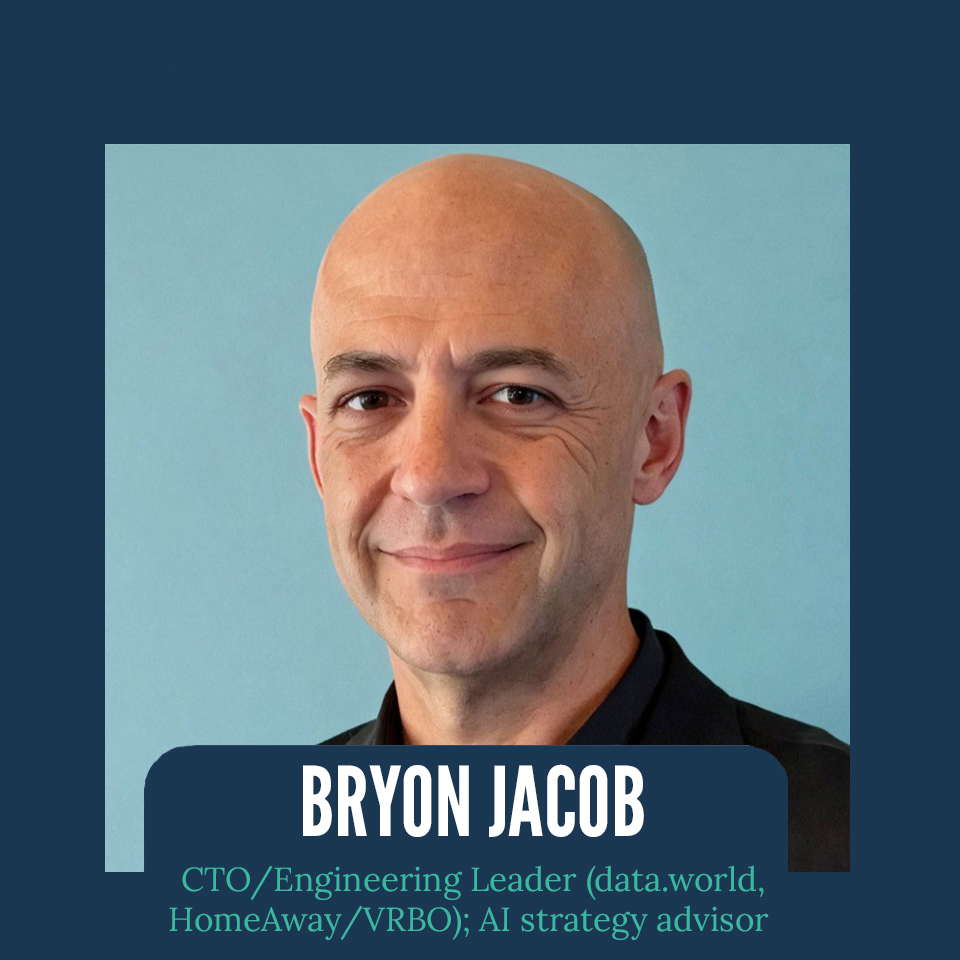
9:00 am – 12:00 pm
Title: Crafting AI-Generated Code into Reliable Software
Description: Anyone can prompt an AI to generate a snippet of code, but turning that “magic moment” into a robust, living product is where true engineering begins. Beyond the Prompt bridges the gap between AI-assisted scripting and professional software craftsmanship.
This fast-paced session strips away the jargon to explore the foundational principles of building software that real people can actually depend on. We will walk through the entire lifecycle of a feature—from the initial theory and architectural structure to the rigors of testing, deployment, and long-term operations. Whether you are an AI enthusiast or a curious beginner, you’ll learn the “hidden” steps that prevent systems from breaking and discover why the code itself is only the beginning of the journey.
Key Takeaway / Outcome: Professional software craftsmanship extends “Beyond the Prompt,” focusing on the entire feature lifecycle—including architectural design, rigorous testing, deployment, and operations—to build robust, dependable systems that prevent failure, making the initial code generation just the start of the engineering journey.
Presenter: Bryon Jacob
12:00 pm – 1:00 pm Lunch & Networking
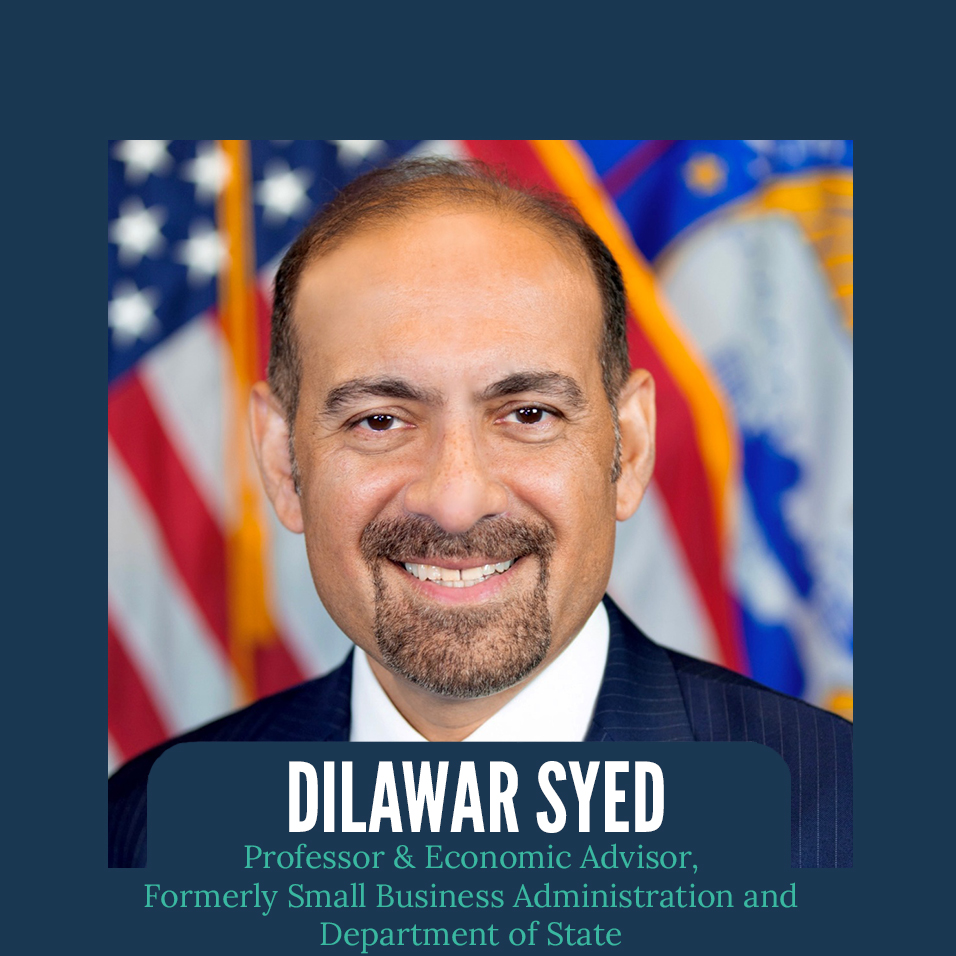
1:00 pm – 2:00 pm
Fireside Chat
Dilawar Syed, Professor & Entrepreneur
Sean Bauld, Executive Director of Austin AI Alliance
2:00 pm – 3:00 pm
Celebration
Resources
Explore and download all the tools shared during the training.
-
Large Language Models (LLMs)
-
ReAct (Reasoning + Acting) Framework
-
Search APIs (Tavily, Google Search)
-
Dagster
-
Anthropic API
-
ContextForge MCP (Model Context Protocol) Gateway
-
OpenThoughts Framework
-
Terminal-Bench
© 2026 Austin AI Alliance. All slides, templates, and resources shared on this page are intended solely for participants of the Summer AI Intensive – Developer Track. No part of these materials may be copied, reproduced, distributed, or used for other purposes without explicit permission from the authors.